Блог
安踏 / Anta Sports против 李宁 / Li-Ning: как устроен разрыв на рынке спортивной одежды Китая
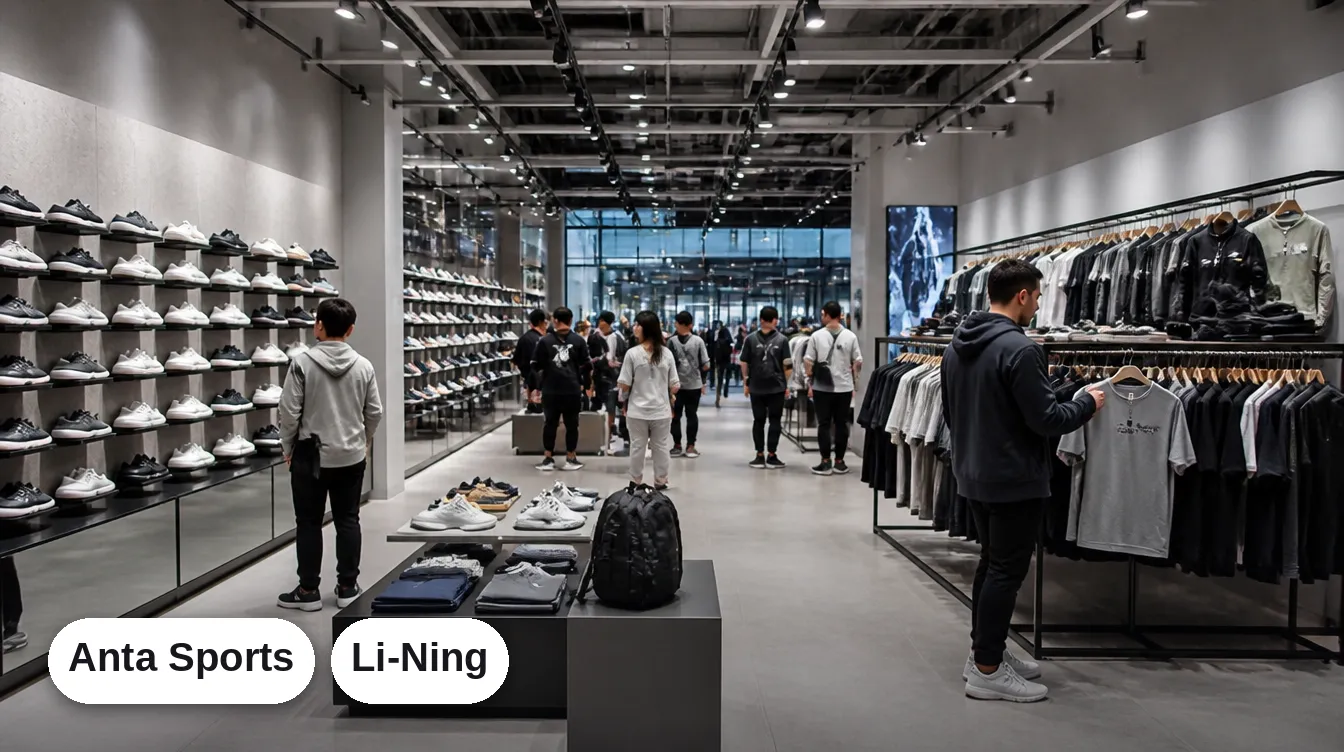
安踏体育 / Anta Sports закрыла 2025 год с рекордной выручкой 80,22 млрд юаней — рост на 13,3% год к году. По оценке независимого исследовательского института, это удерживает за компанией долю около 21,8% на китайском рынке спортивной одежды. Для масштаба: это больше пятой части всего рынка одной компанией на территории с населением 1,4 млрд человек.
Второй игрок отстаёт почти в 2,5 раза
李宁 / Li-Ning, второй по значимости внутренний игрок, показал за 2025 год выручку 29,6 млрд юаней и долю рынка около 9,4%. Оба бренда конкурируют с Nike и Adidas на одном и том же рынке, с похожей аудиторией и похожим ценовым позиционированием — но разрыв между ними почти в 2,5 раза.
Откуда взялся отрыв
Ключевое отличие — портфель брендов. Anta первой среди китайских спортивных компаний выстроила стратегию нескольких брендов под одной крышей, включая права на FILA в Китае, и агрегированную дистрибуцию под них. Это дало не просто вторую точку продаж, а возможность закрывать сразу несколько ценовых сегментов — от массового до премиального — без размывания основного бренда Anta. Li-Ning в основном остаётся моно-брендовой компанией, ставящей на глубину, а не на портфель.
Масштаб рынка и что дальше
Весь китайский рынок спортивной одежды в 2025 году оценивался в 84 млрд долларов и, по прогнозам, вырастет до 148 млрд долларов к 2032 году при среднегодовом темпе роста 8,43%. При таком темпе роста разрыв между Anta и Li-Ning не сокращается сам по себе — компания с более широким портфелем брендов забирает непропорционально большую долю нового спроса, потому что уже присутствует в сегментах, куда только приходят новые покупатели.
Что смотрим на месте
Chinese Brands That Conquered the World — визит на производство и в шоурумы китайских брендов, где видно не только готовую коллекцию, но и то, как устроена мультибрендовая архитектура изнутри: отдельные R&D-команды, отдельные производственные линии под каждый бренд портфеля.