Блог
От бензоколонки до зарядной станции: как Sinopec и BYD переизобретают розницу, а Great Wall Motor собирает 31 826 заказов за сутки
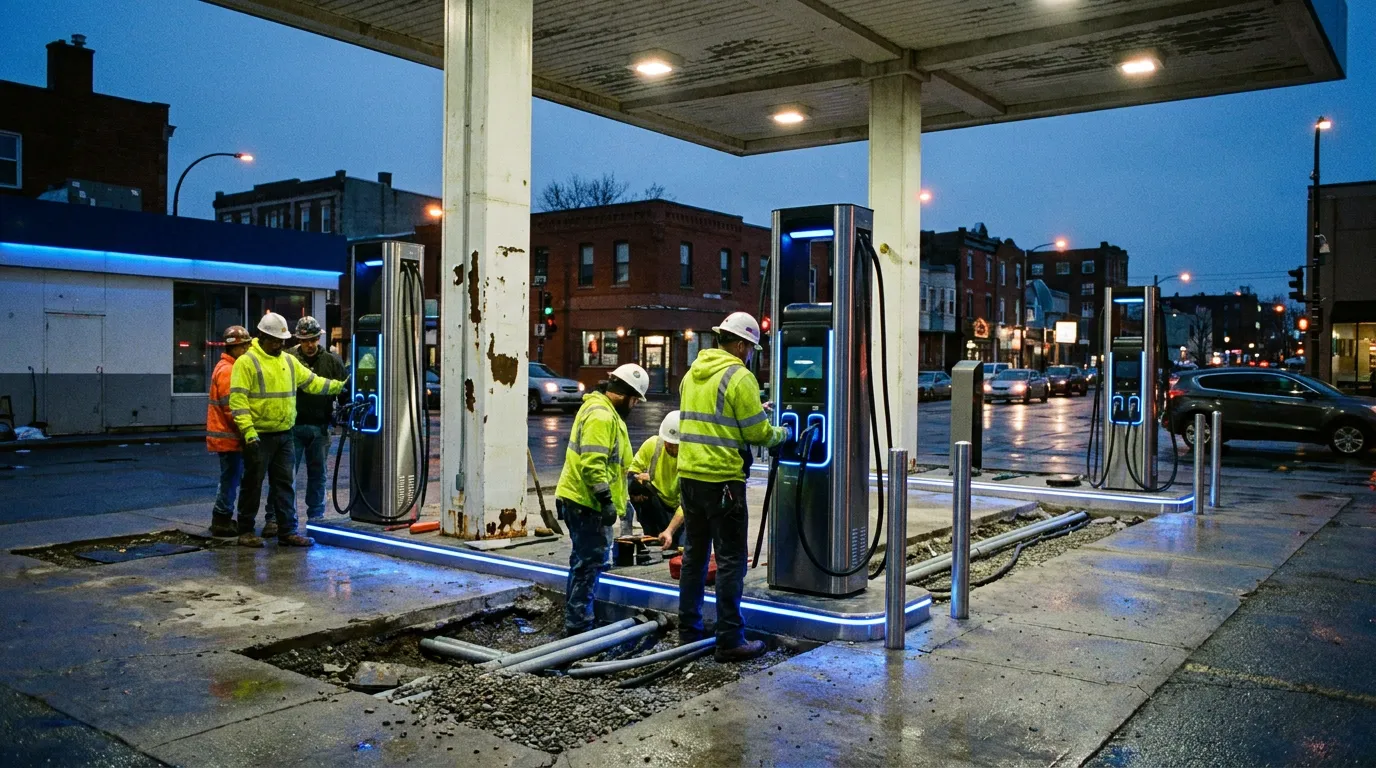
Розничная сеть в Китае за последние две недели дала сразу два повода пересмотреть, что вообще значит "заправка" или "автосалон" в 2026 году. Оба сюжета — не абстрактная аналитика, а конкретные цифры с конкретной датой.
Заправка, которая перестала заправлять
6 августа в шанхайском районе Хунцяо открылась станция на Хуцинпин-роуд, 1209 — формально всё ещё принадлежит 中国石化 / Sinopec, но бензина там больше нет. Подземные топливные резервуары демонтированы, на их месте — буферные батареи, а сама площадка отдана под 12 постов сверхбыстрой зарядки от 比亚迪 / BYD мощностью до 1500 кВт: заряд с 10% до 70% занимает 5 минут, до 97% — 9 минут. Магазин Sinopec Easy Joy на месте остался, добавилась зона отдыха с креслами — заправка стала не заменена, а перепрофилирована.
Это не разовый пиар-проект. Ещё 3 июня в Пекине компании подписали стратегическое соглашение с формулировкой "10 тысяч станций объединяют энергию — топливо и быстрый заряд вместе": по договору зарядные комплексы BYD будут постепенно разворачиваться по сети Sinopec, которая насчитывает более 31 000 заправок по стране. Если темп конверсии сохранится, розничная инфраструктура вдоль главных транспортных коридоров Китая физически поменяет форму в течение нескольких лет — то, что раньше было точкой продажи топлива, становится точкой продажи энергии и сопутствующего сервиса.
Спрос, который обгоняет производство
Второй сюжет — с другой стороны той же истории: пока Sinopec и BYD решают, куда девать бензоколонки, покупатели голосуют деньгами за новые модели. Great Wall Motor 5 августа вывел на рынок флагманский кроссовер Haval H10 — и за первые 24 часа продаж собрал 31 826 твёрдых заказов. Слухи о том, что цифра доходит до 60 000, компания опровергла лично устами председателя Вэй Цзяньцзюня, но и подтверждённый результат — один из сильнейших стартов продаж в сегменте за последний год. Модель построена на гибридной платформе Hi4: батарея 42,8 кВт·ч, до 232 км хода на электротяге по циклу CLTC и общий запас хода до 1404 км, цена в диапазоне 209 800–231 800 юаней (требует подтверждения актуальности на момент публикации — цены на китайском авторынке меняются быстро).
Для тех, кто смотрит на Китай как на рынок сбыта или источник компонентов, оба сюжета — сигнал одного порядка: конкуренция в автопроме и смежной рознице идёт не только за модельный ряд, но и за инфраструктуру вокруг него, и скорость этой перестройки выше, чем кажется по западным СМИ.
Что это значит для тех, кто закупает или изучает рынок
Зарядная инфраструктура нового типа — это не только про электромобили: та же логика "торговая точка + энергия + сервис" переносится в смежные форматы розницы, от вендинга до дарк-стораов. На нашей экспедиции по автопрому и электромобилям Китая делегации попадают именно на площадки такого рода — заводы и шоу-румы, где физически видно, как устроена сборочная линия и логистика поставщиков у таких игроков, как BYD и Great Wall Motor.
Разница между чтением новости и визитом на объект — в деталях, которые в пресс-релизе не попадают: как персонал станции обслуживает одновременно и заправку, и зарядку, как логистика запчастей встроена в существующую сеть, какие узкие места видны инженеру, а не журналисту. Именно поэтому бенчмаркинг вживую остаётся ценнее любого дайджеста новостей — при условии, что программа визита выстроена под конкретную задачу компании, а не под общий "тур по заводам".
Резюме
Sinopec и BYD показывают, как быстро традиционная инфраструктура может быть перепрофилирована под новый спрос; Great Wall Motor — что этот спрос реален и измерим в конкретных заказах за первые сутки продаж. Для российского бизнеса, работающего с Китаем, это повод смотреть не только на модельные линейки, но и на то, как перестраивается вся цепочка — от завода до точки контакта с покупателем.