Блог
Роботы-уборщики из Китая: как 70% мирового рынка ушло пяти компаниям
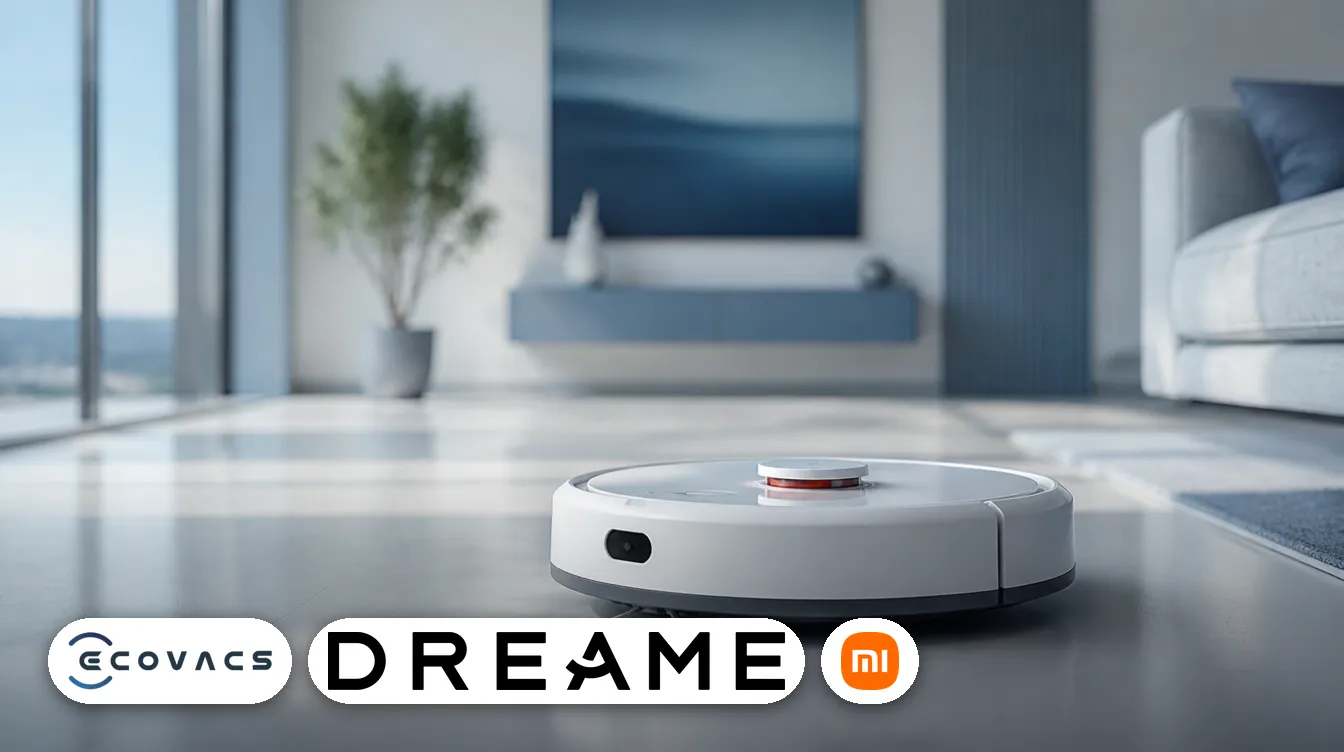
Пока весь мир следил за гонкой гуманоидов, на соседнем, куда менее эффектном рынке произошла тихая смена власти. Во втором квартале 2025 года пять крупнейших производителей роботов-пылесосов в мире по числу отгруженных устройств суммарно заняли около 70% глобального рынка — и все пять компаний китайские. Ещё в первом квартале 2025 года прежний лидер категории занимал долю ниже 10% — обвал произошёл всего за несколько кварталов, а не за десятилетие, и это само по себе повод присмотреться к тому, как устроена индустрия сегодня.
Пятёрка без единого не-китайского имени
石头科技 / Roborock держит крупнейшую долю — 27% мирового рынка, за ней идут 科沃斯 / Ecovacs, 追觅科技 / Dreame, Xiaomi и Narwal Robotics. Ещё пять лет назад индустрию описывали как гонку за низкую цену: кто дешевле соберёт мотор и щётку. Сейчас конкуренция сместилась в сторону инженерии — и именно это, а не демпинг, обеспечило китайским брендам мировое лидерство.
Roborock разрабатывает модель Saros Rover, которая поднимает переднее колесо на выдвижных "ногах", чтобы забираться на пороги и невысокие ступени — то, с чем обычные роботы-пылесосы не справляются в принципе. Dreame готовит модель с выдвижной рукой длиной 33 сантиметра, которая отодвигает с пути мелкие препятствия — стул, тапок, провод — вместо того чтобы объезжать их или застревать. Ecovacs одной из первых вывела на рынок комбинацию влажной и сухой уборки в одном корпусе с автоматической самоочисткой и сушкой тряпки на базовой станции.
Suzhou как инженерный центр
Ecovacs и Dreame (Magic Lab) базируются в одном городе — 苏州 / Сучжоу, промышленном спутнике Шанхая, где за последнее десятилетие сложился плотный кластер поставщиков компонентов для бытовой робототехники: моторы, LiDAR-модули, аккумуляторные ячейки. Для закупщика или интегратора это означает, что визит на Ecovacs и Dreame можно логично объединить в один день — оба производства решают одну и ту же инженерную задачу (автономная навигация в непредсказуемой домашней среде), но выбирают для неё разные технические компромиссы, и увидеть это различие вживую полезнее, чем читать спецификации.
При чём тут Xiaomi
Xiaomi не специализируется на клининговых роботах так узко, как три первых игрока, — зато встраивает их в экосистему умного дома, где пылесос синхронизируется с датчиками качества воздуха, камерами и голосовыми колонками того же бренда. Для рынков, где домохозяйство уже "подписано" на экосистему одного производителя, это даёт Xiaomi канал продаж, недоступный узкоспециализированным конкурентам, даже если по инженерии сам робот не всегда на первом месте. При этом узкоспециализированные бренды вроде Roborock и Dreame делают ставку на обратный сценарий — обогнать экосистемных игроков за счёт более быстрого цикла обновления железа, не дожидаясь, пока новая функция станет частью большой платформы. Для делегации это значит: одну и ту же поездку можно построить и вокруг гигантов экосистем, и вокруг узких инженерных лидеров — маршрут собирается под конкретный интерес заказчика.
Символ падения: что случилось с iRobot
Обратная сторона китайского подъёма — крах пионера рынка. Ещё недавно iRobot (создатель Roomba) был синонимом роботов-пылесосов, но к третьему кварталу 2025 года его выручка упала на 25% год к году, до 146 млн долларов, а компания зафиксировала уже 11-й квартал убытков подряд. Импортные пошлины на Roomba в США обошлись компании в 23 млн долларов, а доля на мировом рынке "умных" пылесосов упала ниже 10%. К 2026 году iRobot был приобретён китайской Picea Robotics — то есть даже актив, который придумал саму категорию продукта, в итоге перешёл под контроль одного из новых лидеров рынка.
Зачем ехать смотреть на это вживую
Технологическое лидерство в нише роботов-уборщиков — хороший индикатор того, что происходит шире: китайские инженерные команды всё чаще выигрывают не ценой, а патентуемыми механическими решениями, которые сложно скопировать за один цикл. Для закупщика оборудования или инвестора это значит, что смотреть стоит не только на прайс-лист, а на R&D-процесс — и в этом смысле экспедиция по робототехнике устроена именно так: доступ на производства, а не витрину на выставке.