Блог
31 826 заказов за сутки и заправка без бензина: два лица скорости автопрома Китая
5 августа 长城汽车 / Great Wall Motor вывела на рынок новый флагманский внедорожник своего бренда Haval — H10. За первые 24 часа продаж компания зафиксировала 31 826 твёрдых заказов с предоплатой, то есть не просто "лайков" в приложении, а реальных бронирований с деньгами на кону.
Цифра, которую пришлось публично опровергать
Ещё до официального подтверждения по рынку разошлись слухи о 60 000+ предзаказов — цифра настолько яркая, что председатель совета директоров Great Wall Вэй Цзяньцзюнь лично вышел в соцсети опровергнуть её: реальные продажи до этой отметки не дотянули, но и без натяжки результат остаётся одним из сильнейших стартов года в сегменте. Для рынка, где заявленные цифры предзаказов нередко оказываются маркетинговым округлением, готовность публично поправить завышенную оценку — само по себе не самый частый жест.
Что продаёт H10
Линейка из четырёх комплектаций с пяти- и шестиместными версиями, цена от 209 800 до 231 800 юаней. H10 позиционируется как крупный семейный флагман — сегмент, где конкуренция в Китае особенно жёсткая именно из-за количества игроков, а не из-за отсутствия спроса.
Почему именно этот сегмент так конкурентен
Крупные семейные SUV/кроссоверы в Китае — не нишевый сегмент для избранных: это одна из самых массовых категорий, где параллельно продаются десятки моделей от Geely, Chery, BYD, Li Auto и самой Great Wall под разными суббрендами. Именно поэтому 31 826 предоплаченных заказов за сутки — показатель не только интереса к конкретной модели, но и способности бренда выделиться в зоне, где потребитель балован выбором и сравнивает характеристики буквально по таблицам в приложениях перед покупкой.
Зарядка вместо бензоколонки — ещё один параллельный сюжет
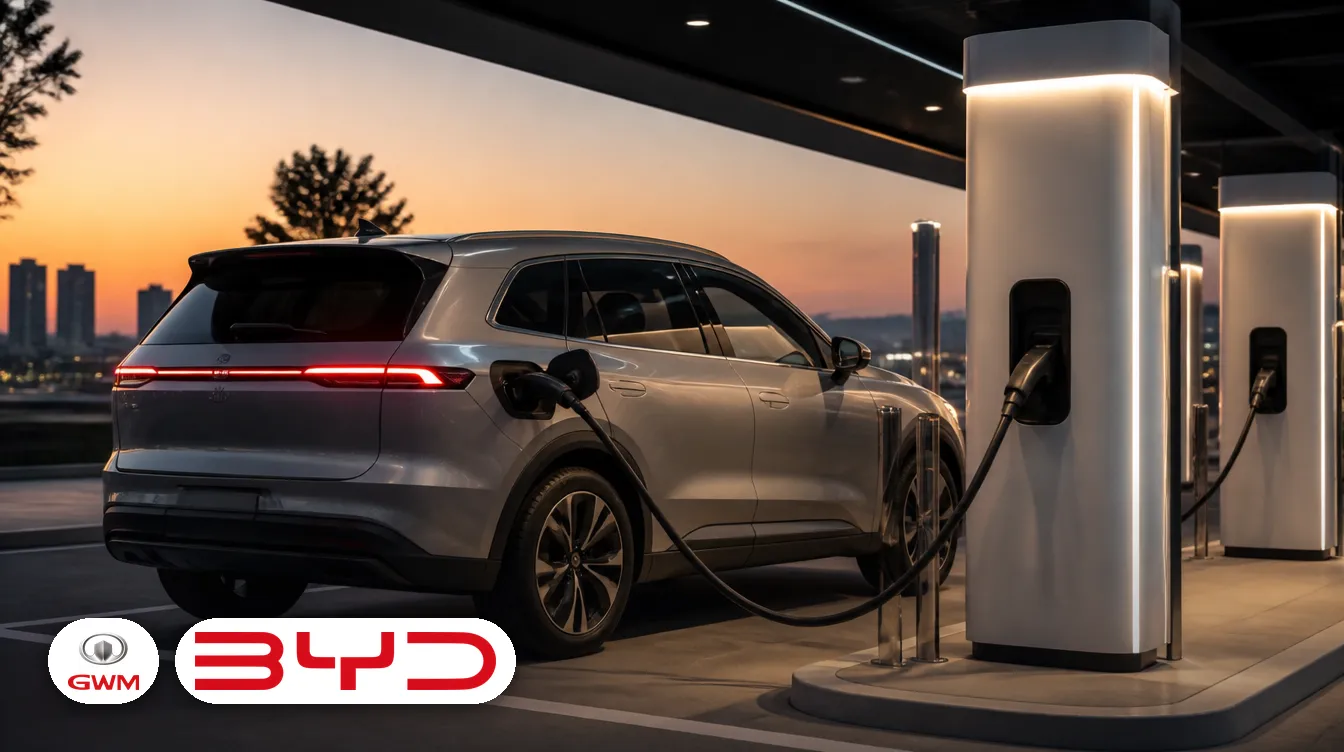
Пока Haval считает предзаказы, Great Wall Motor — не единственный, кто в эти дни напоминает о скорости перемен на автомобильном рынке Китая. В Шанхае 比亚迪 / BYD и государственная 中国石化 / Sinopec завершили переоборудование обычной автозаправки в станцию Flash Charging: бензобаки физически демонтировали, на их месте — буферные батареи для зарядки мощностью 1500 кВт, полный заряд занимает 9 минут. Это первая совместная станция в рамках партнёрства, заключённого ещё в июне 2024 года, и, по заявленным планам, к концу 2026 года подобных станций должно быть развёрнуто 20 000 по всей стране. Заправка при этом не опустела полностью: мини-маркет Sinopec «Easy Joy» на площадке продолжает работать — но уже круглосуточно и без кассира, с напитками, лапшой быстрого приготовления и снеками, что само по себе показывает, как меняется формат придорожного сервиса вместе с самой энергетической инфраструктурой.
Одна и та же инфраструктура, разная скорость перемен
Показательно, что оба сюжета разворачиваются одновременно: один — про то, как быстро в Китае обновляется модельный ряд (новый флагман, десятки тысяч заказов за сутки), другой — про то, как быстро физически перестраивается инфраструктура под электромобили (заправка без бензина за считанные недели после подписания партнёрства). Для тех, кто закупает или изучает автопром Китая, это одна и та же логика на разных уровнях: скорость here — не рекламный слоган, а операционная реальность, которую сложно оценить по пресс-релизам и стоит увидеть на месте, на конкретном заводе или конкретной станции.
Что это значит для тех, кто закупает или изучает рынок
Для международного бизнеса оба сюжета читаются как один и тот же сигнал: китайский автопром не просто конкурирует по цене, он пересобирает всю цепочку — от модельного ряда до заправочной инфраструктуры — на скорости, которую сложно спланировать по кварталам, если наблюдать со стороны через пресс-релизы. Партнёрство BYD и Sinopec заняло два года от подписания до первой рабочей станции; конкретная переделка одной заправки — недели. Для закупщика оборудования или инвестора это означает, что ставку стоит делать не на статичный снимок рынка на сегодня, а на то, с какой скоростью конкретный игрок способен довести договорённость до физического объекта.
Как это увидеть вживую
Экспедиция по автопрому Китая построена именно вокруг таких производственных площадок — не витрина на выставке, а рабочий цех и реальный темп конвейера.