Блог
Huawei возвращается: как складные смартфоны и Mate 80 меняют расклад на мировом рынке
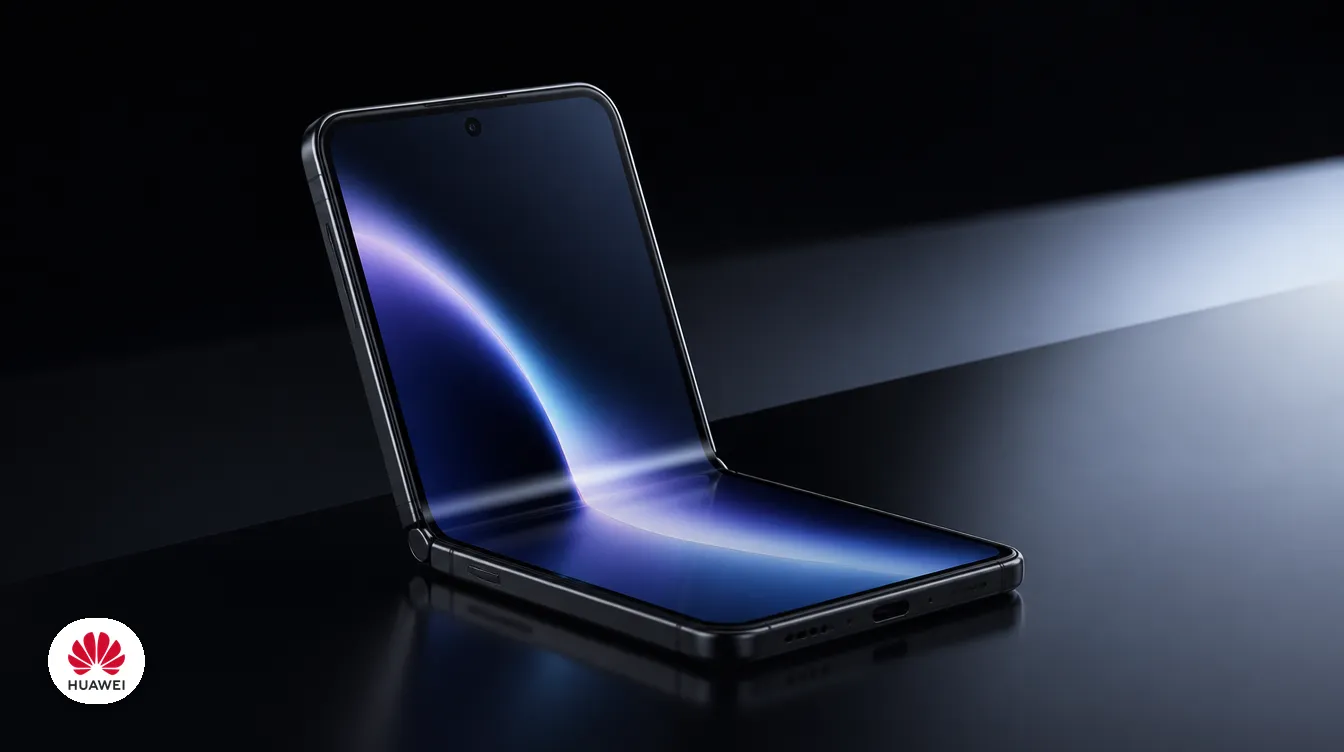
Ещё три-четыре года назад разговор про Huawei на международном рынке электроники сводился к санкциям и уходу из топ-5 мировых производителей смартфонов. В 2026 году разговор поменялся: аналитики называют Huawei единственным крупным брендом, который в этом году показывает рост продаж смартфонов, а не падение.
Китай: доля, которой не было пять лет
华为 / Huawei в первом квартале 2026 года занял 20% китайского рынка смартфонов — это максимум с четвёртого квартала 2020 года, то есть с момента, когда санкционное давление на компанию было ещё минимальным. Поставки выросли на 2% год к году, и главным драйвером стала серия Mate 80, вышедшая в начале года. При этом по данным Counterpoint Research, среди крупных китайских производителей Huawei — единственный бренд, показавший рост продаж в 2026 году, тогда как конкуренты в основном теряли объёмы.
Мир: рост есть, но лидерства пока нет
На глобальном уровне картина сложнее. Во втором квартале 2026 года поставки Huawei выросли на 6% год к году — заметный рост, но его недостаточно, чтобы вернуться в топ-5 мировых производителей смартфонов, откуда компанию вытеснили санкции. Это медленное, поэтапное восстановление позиций, а не резкий реванш.
Складные смартфоны — ниша, где Huawei действительно лидер
Зато в одном сегменте компания не просто восстанавливает позиции, а безоговорочно доминирует: во втором квартале 2026 года Huawei занимает 48% мирового рынка складных смартфонов. Такую долю обеспечили сразу несколько моделей — развёртывание Pura X Max и устойчивый спрос на Mate X7 и Pura X внутри Китая. Для сравнения, Samsung, второй крупный игрок сегмента складных телефонов, в тот же период показал рост на 25% — то есть даже быстрорастущий конкурент остаётся далеко позади по абсолютной доле рынка.
Почему это не просто история про один смартфон
Важная деталь: в целом мировые поставки складных смартфонов во втором квартале 2026 года снизились на 2% год к году — то есть Huawei наращивает долю не на растущем, а на сжимающемся рынке. Это означает, что компания не просто попала в удачный тренд, а забирает объём у конкурентов через продуктовую линейку и производственные мощности одновременно.
Показателен и контекст самого рынка: в целом продажи смартфонов среди крупных китайских брендов в 2026 году скорее сокращались, чем росли, — конкуренция за один и тот же насыщенный внутренний рынок ужесточилась. На этом фоне рост Huawei выглядит не как общий подъём индустрии, а как результат конкретного продуктового решения — Mate 80 вывел компанию из статистической погрешности в заметный тренд буквально за один квартал.
Для тех, кто работает с китайской электроникой — от закупок компонентов до анализа конкурентной среды, — история Huawei в 2026 году показывает практический паттерн: санкционное давление не остановило компанию, а сместило фокус на сегменты, где технологическое лидерство сложнее скопировать конкурентам. Складные экраны и связанная с ними инженерия шарниров — как раз такой случай.
Ставка на компоненты, а не только на бренд
Преимущество Huawei в складных телефонах держится не на маркетинге, а на контроле над узкими техническими местами: механизмом шарнира, который должен выдерживать сотни тысяч циклов сгибания без люфта и видимой складки на экране, и самим гибким OLED-дисплеем. Оба этих компонента — не то, что можно быстро скопировать конкуренту, даже при наличии денег на R&D: здесь нужен отлаженный производственный процесс с низким процентом брака, а это вопрос лет, а не кварталов. Именно поэтому доля Huawei в сегменте держится стабильно высокой даже на фоне общего сокращения рынка складных устройств — конкуренты физически не могут нарастить выпуск сопоставимого качества быстрее, чем падает сам рынок.
Что это значит для делегаций
Huawei — часть экспедиции по технологическим гигантам Китая, где можно увидеть не только готовую продукцию, но и то, как выстроена индустрия комплектующих вокруг таких компаний — от дисплейных модулей до прецизионной механики шарниров, которая и определяет разницу между демонстрационным прототипом складного телефона и серийным продуктом с сотнями тысяч циклов сгибания.
🔗 https://globaltechtour.ru/ — программы туров