Блог
Золотая лихорадка по-китайски: как 老铺黄金 / Laopu Gold обошла западный люкс на его же поле
Louis Vuitton в этом году открыл в Пекине четырёхэтажный флагман — с первым в городе кафе под брендом LV. Логика понятна: превратить магазин в место, куда возвращаются не за покупкой, а за впечатлением. Но пока западный люкс инвестирует в гостеприимство, заметную долю премиального спроса в Китае уже забирает бренд, которого пятнадцать лет назад просто не существовало.
Golden fever — не метафора, а буквальный тренд
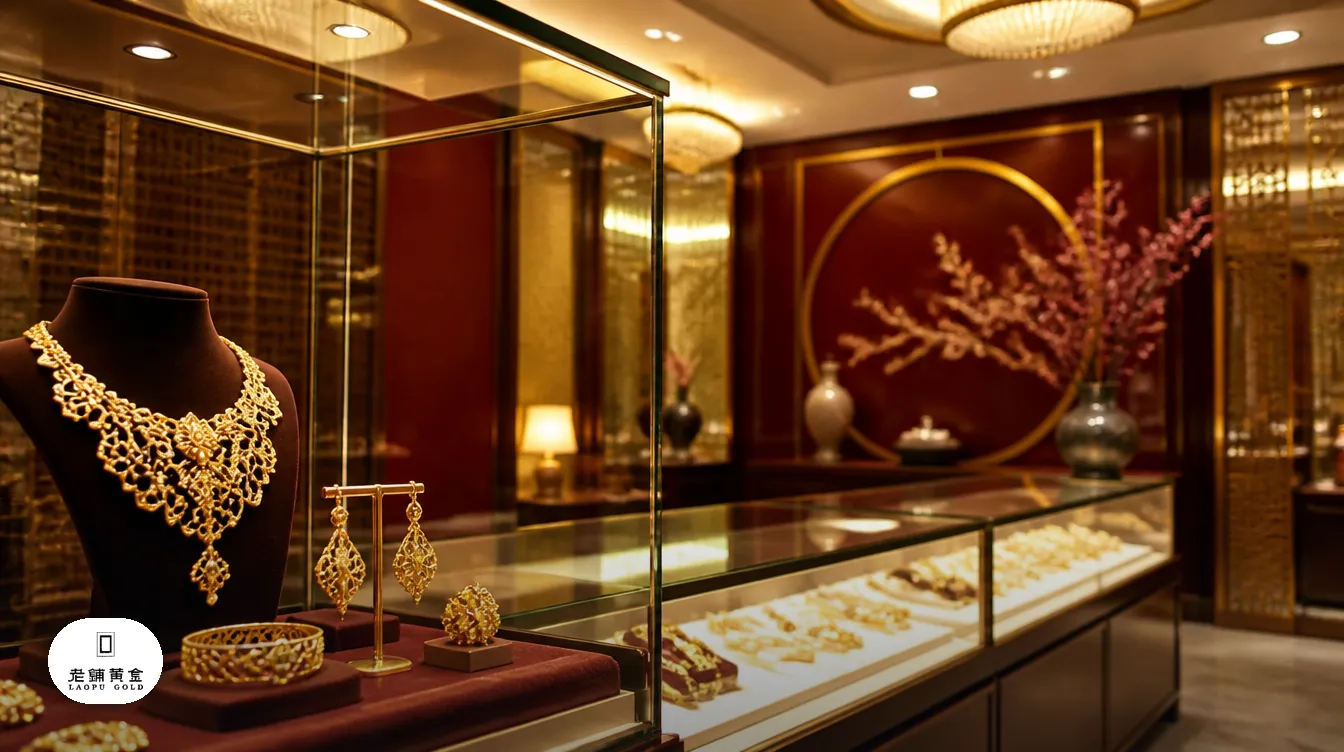
老铺黄金 / Laopu Gold — китайский производитель ювелирных изделий из золота, который в последние два-три года стал одним из самых обсуждаемых имён в местном премиум-сегменте. Формула простая: традиционные техники обработки золота (инкрустация, филигрань), подача в духе люксового дома — фирменные бутики, ограниченные коллекции, очереди у входа — и цена, которая растёт вместе со стоимостью самого металла. Для потребителя, уставшего от нестабильности фондового рынка и недвижимости, золотое украшение — это одновременно статусная вещь и актив, который не обесценивается.
Oтраслевые аналитики называют это "gold fever" — один из шести ключевых сдвигов, которые, по прогнозам, определят люксовое потребление в Китае в 2026 году, наряду с "эмоциональным фитнесом" (тратами на психологическое благополучие) и "power-aging" (премиум-продуктами для активного долголетия).
Люкс уходит в города второго и третьего эшелона
Второй сдвиг — географический. Раньше премиум-ритейл концентрировался в Пекине, Шанхае и Шэньчжэне. Сейчас рост спроса аналитики фиксируют в городах вроде Ухани и Чжэнчжоу — не столицах, но городах с растущими доходами и населением, которое хочет тот же уровень сервиса и товара, что в мегаполисах. Для домашних брендов вроде Laopu Gold это естественная экспансия: они не обременены наследием "only in flagship cities", которое часто держит международные дома в узком круге локаций.
Этот же паттерн уже проходил 泡泡玛特 / POP MART с коллекционными игрушками — компания построила глобальную розницу вокруг локального продукта прежде, чем западный люкс успел среагировать. Golden fever — версия того же сценария в куда более дорогом сегменте.
Не только золото — вся структура спроса меняется
Golden fever — не единственный сигнал. Тот же список трендов на 2026 год включает "emotional fitness" (готовность платить за психологическое благополучие — от терапии до ритейл-форматов, которые продают спокойствие и заботу о себе как услугу) и "power-aging" — премиум-товары и сервисы для активного долголетия, нацеленные на аудиторию, которая раньше в люксовых прогнозах вообще не фигурировала как отдельный сегмент. Общий знаменатель у всех трёх трендов один: китайский потребитель премиум-сегмента тратит не на статус ради статуса, а на вещи и опыт, которые он может обосновать себе рационально — актив, который не обесценивается, самочувствие, активное старение. Западные люксовые дома, которые продают чистый статус без этого рационального слоя, оказываются на шаг позади.
Онлайн и офлайн перестали быть разными каналами
Третий момент, который важен для тех, кто планирует розничную стратегию в Китае: граница между онлайн- и офлайн-покупкой в люксовом сегменте практически стёрлась. Решение о покупке созревает в соцсетях и live-стримах, но статусная покупка золота или сумки всё ещё чаще совершается физически, в бутике — просто путь к этому бутику теперь целиком выстроен через цифровые каналы. Ритейлеру, который проектирует магазин только под офлайн-трафик, эта связка не всегда очевидна на бумаге.
Что это значит для тех, кто работает с китайским ритейлом
Для международных брендов и партнёров, которые хотят понять логику китайского премиум-потребителя, разница между чтением отчёта и посещением флагманского бутика вживую — это разница между цифрой в презентации и пониманием, как именно устроен customer journey: от какого сториз в соцсети началось решение, как оформлена витрина, что предлагают в кафе при магазине. Экспедиция "Китайские бренды, покорившие мир" показывает изнутри, как локальные компании вроде POP MART выстраивают розницу мирового уровня — а экспедиция по индустрии красоты и anti-age добавляет к этой картине премиум-сегмент бьюти, включая бренды вроде PROYA, которые растут по той же логике "локальное вместо импортного".
Требует подтверждения
Точные финансовые показатели Laopu Gold (выручка, темп роста, число точек) в статье не приводятся — открытые источники на момент подготовки материала не дают достаточно точной и актуальной цифры, чтобы её приводить без риска ошибки.