Блог
POP MART: как игрушка за 10 долларов построила Китаю мировую розницу
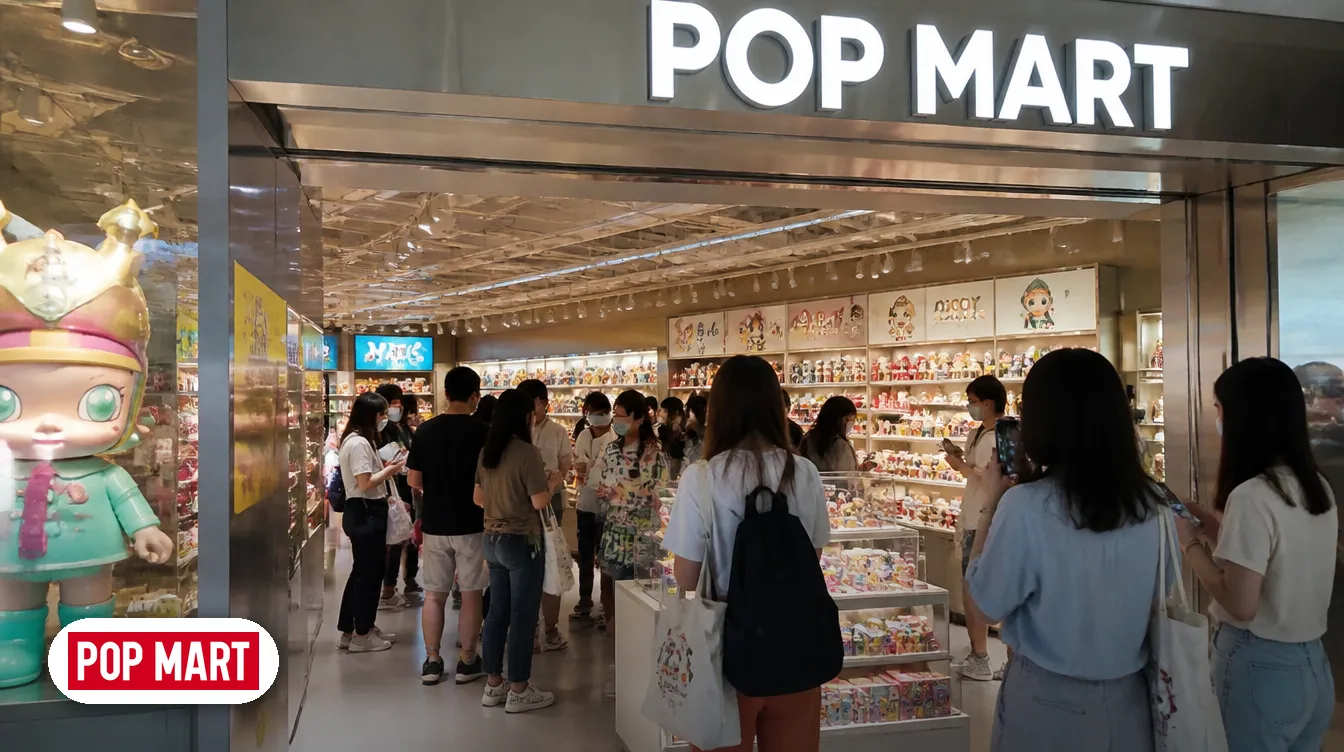
Ещё три года назад Labubu была нишевой игрушкой для коллекционеров дизайнерских фигурок. Сегодня это глобальный феномен: продажи одной только этой линейки достигли 14,16 млрд юаней в 2025 году — рост на 365,7% год к году, около 38% всей выручки компании. Аналитики прогнозируют выручку POP MART за 2026 год на уровне 48,77 млрд юаней — рост на 30% к 37,47 млрд юаней в 2025-м, а гендиректор и основатель Ван Нин публично заявляет цель роста "не менее 20%".
Зарубежная розница растёт втрое быстрее внутренней
Показательна структура этого роста. Продажи за пределами Китая должны вырасти на 35,7% в 2026 году против 13% внутри страны — то есть международный рынок сейчас растёт почти втрое быстрее домашнего. Доля зарубежной выручки уже составляла 52% от общей в 2025 году, и, по прогнозам, вырастет до 69% к 2030 году. Для китайского бренда потребительских товаров это редкая пропорция: обычно даже успешные экспортёры годами остаются преимущественно локальным бизнесом.
От вендинг-автоматов к полноценным магазинам на трёх континентах
По состоянию на январь 2026 года у POP MART больше 1000 полноценных магазинов и 2597 "Robo Shop" — фирменных вендинг-автоматов с игрушками-сюрпризами — в 18 странах. Число зарубежных точек продаж выросло со 218 до 331 за отчётный период, а сеть в США должна расшириться с 72 магазинов до более чем 100 в течение 2026 года. Это не разовый маркетинговый вброс, а системное наращивание физического присутствия — именно того формата розницы, который сложнее всего скопировать конкурентам.
Почему это работает не как обычный китайский экспорт
Стандартная модель китайского потребительского экспорта — конкурировать по цене на массовом рынке. POP MART сделала обратное: выстроила премиальное позиционирование вокруг механики "слепой коробки" (blind box) и коллаборациями с художниками, из-за чего товар стоимостью около 10-20 долларов продаётся с ажиотажем, очередями и вторичным рынком перепродажи по многократно завышенным ценам. Это модель, которую нельзя воспроизвести исключительно ценовым демпингом — нужны дизайн, франшиза персонажей и управление дефицитом предложения.
Для тех, кто изучает китайский ритейл не только в сегменте электроники и производства, POP MART — показательный кейс: бренд, родившийся в оффлайн-ритейле Пекина, за несколько лет выстроил глобальную розничную сеть премиального позиционирования без единого завода за пределами Китая. На экспедиции по флагманским шоурумам ритейла можно увидеть, как устроены такие точки продаж изнутри — от дизайна витрины до логистики ограниченных серий, а в каталоге компаний — карточку самой компании с профилем и историей роста.