Blog
DJI: How One Manufacturer Holds Most of the World's Drone Market
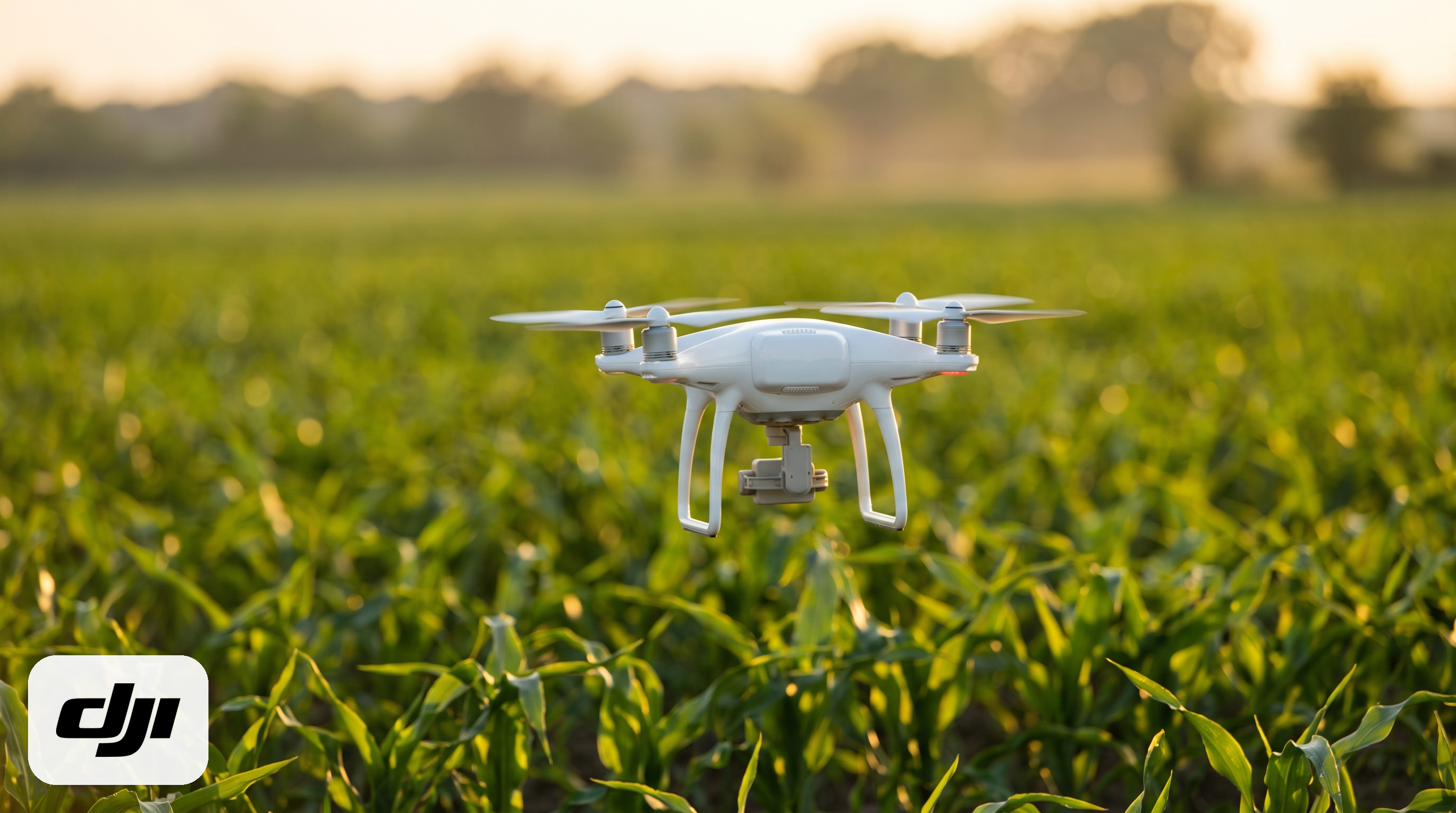
DJI / 大疆创新, based in Shenzhen, is one of the rare cases in consumer tech where a brand name has effectively become synonymous with an entire product category — much like Kodak once did with cameras. Analysts estimate the company controls roughly 70% of the global consumer drone market by unit volume, with its share reaching as high as 80% in specific markets like the United States. Estimates vary widely between research firms (from 43% to over 70%) depending on how "the drone market" is defined, but by any methodology DJI remains the undisputed leader.
More than a camera in the sky
DJI's lineup has long outgrown the Mavic and Air filming drones that built its early reputation. Today it includes agricultural drones for crop spraying — a major market both in China and Southeast Asia — industrial infrastructure inspection systems (power lines, wind turbines, construction sites), and equipment for emergency services. That diversity of applications is what makes the business resilient: a demand slump in one segment (say, from regulatory limits on hobbyist flights) is offset by growth in another. This kind of single-manufacturer vertical diversification is worth exploring firsthand at factory sites — the China Robotics Expedition covers exactly this ground for robotics and autonomous systems.
Exports under pressure, but not stopped
China as a whole accounts for over 70% of global drone exports, and DJI is the single largest contributor to that figure. The company has spent several years navigating growing US regulatory pressure — restrictions on government and infrastructure-linked procurement, and repeated discussion of an outright ban on new models. Tellingly, despite that pressure, DJI's share of the US consumer market remains high — there simply aren't enough comparable-quality, comparable-price alternatives on the market to replace it.
What this means for anyone working with China
DJI is a good case study for supply-chain concentration risk: when one manufacturer so thoroughly dominates a category, buyers and partners have little real choice when shaping a procurement strategy. This isn't unique to drones — a similar dynamic shows up across many Chinese hard-tech categories, where competitive entry is limited by the scale of R&D investment and an already-built component supplier network.
A regulatory paradox
It's also telling that attempts to restrict DJI in individual markets barely dent the company's global financials — simply because the share of non-Western markets (Southeast Asia, Latin America, the Middle East) in its sales mix keeps growing. For any business building a China-facing strategy, that's another lesson: a single market's regulatory limits rarely become fatal for a company that already has a diversified sales geography.
Sources
Market share estimates and drone export data are drawn from Fortune Business Insights, Grand View Research, and open industry reporting from 2025-2026.