Blog
Mao Geping: The First Chinese Beauty Brand to List in Hong Kong
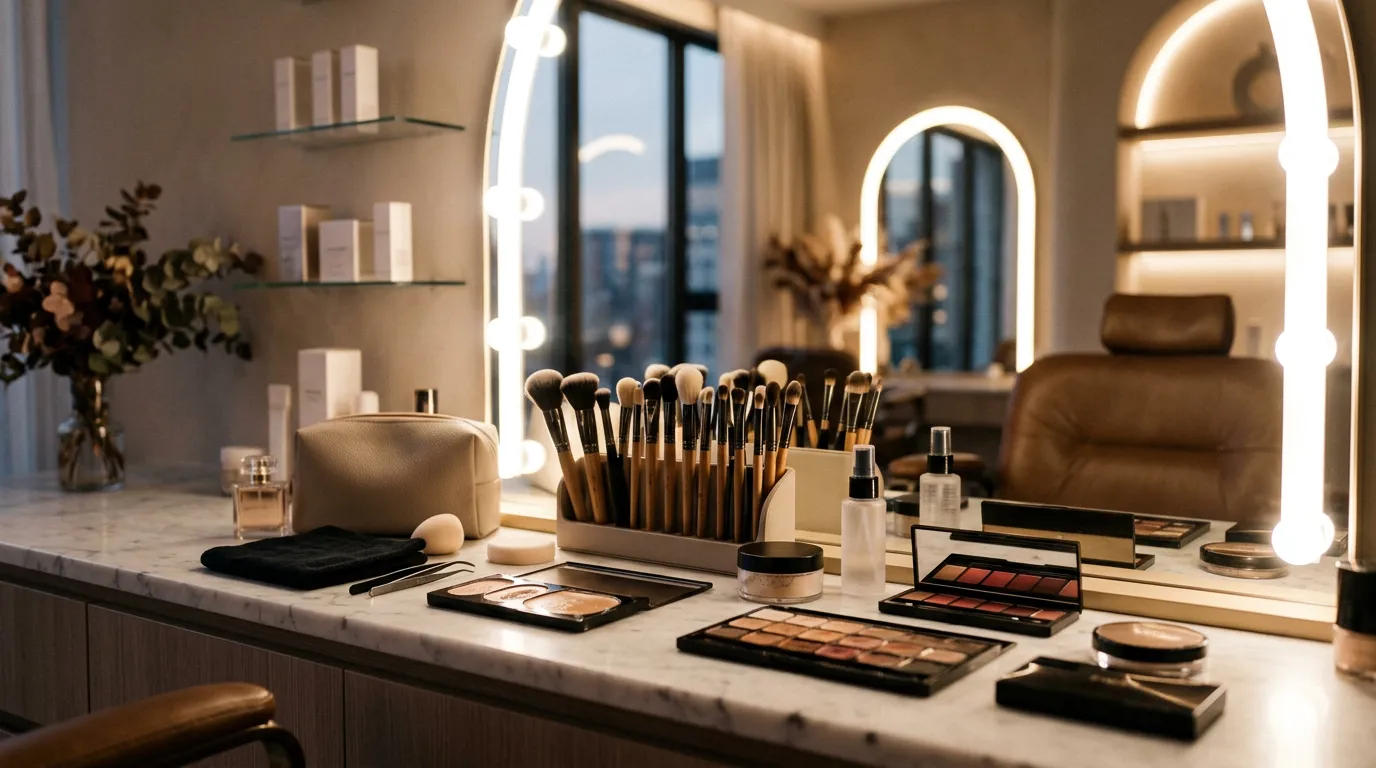
Mao Geping Cosmetics / 毛戈平化妝品 — named after its founder, a well-known Chinese makeup artist — became the first Chinese cosmetics brand to list on the Hong Kong Stock Exchange. The December 2024 offering raised HK$2.3 billion (about $300 million), and shares surged as much as 92% on debut day, closing up 77% — one of the strongest first-day performances among offerings raising at least $300 million over the past three years.
From makeup artist to brand owner
Founder Mao Geping and his wife, vice chairwoman Wang Liqun, hold a 45% stake — a rare case where control of a major public beauty brand remains with the founding family rather than passing to a private equity fund or large conglomerate. The makeup artist's personal brand and years of industry reputation form the core of the company's positioning — an emphasis on professional makeup expertise rather than mass-market accessibility.
Partnership with L Catterton
In early 2026, the company announced a strategic partnership with L Catterton, the private equity fund backed by LVMH. Such a partnership usually means more than a capital injection — access to international distribution, expertise in luxury positioning, and possibly entry into European department stores. In parallel, the brand opened a new flagship store at Harbour City, one of Hong Kong's most prestigious retail locations, underscoring the brand's premium positioning in new markets.
Why Chinese luxury beauty is emerging now
Mao Geping's successful listing, against a backdrop of slowing consumer demand in China overall, shows that investors are willing to back premium-tier Chinese beauty brands even while the mass-market cosmetics segment domestically struggles. The reason: such brands depend less on mass-market price wars and more on the recognition of a specific person or expertise behind the product. A close look at this industry, including the production and branding models of leading players, is available on the China Beauty & Anti-Age Expedition.
A cautious view on Europe
Despite the L Catterton partnership, analysts note that a Chinese premium beauty brand's move into the European market is a separate and far harder stage than establishing itself in Hong Kong or Southeast Asia: competing with entrenched European luxury houses requires not just capital but decades of built reputation, which Mao Geping does not yet have outside Greater China.
What it means for the market
The Mao Geping case shows how a beauty-industry expert's personal brand can become the foundation of a full-fledged public company worth hundreds of millions of dollars, sidestepping the mass-market beauty retail model entirely.
Why investors believed in this particular brand
The market's enthusiastic reaction to Mao Geping's IPO partly reflects investor fatigue with purely digital-first cosmetics brands whose growth often turned out to be tied to social-media marketing spend rather than durable customer loyalty. Mao Geping, by contrast, was built over decades through offline makeup-artist training, masterclasses and the founder's personal appearances at professional industry events — a model that grows more slowly but builds a sturdier reputational base, less vulnerable to social-media algorithm shifts or waning interest in a specific influencer.
A lesson for other Chinese beauty brands
Mao Geping's stock market success has pushed several other Chinese cosmetics makers to reconsider listing plans specifically in Hong Kong rather than mainland China — the Hong Kong exchange is seen as more convenient for attracting international institutional investors and for a subsequent push into global markets. For the industry as a whole, this points to the gradual formation of a distinct class of "premium Chinese beauty stocks," attractive to investors for durable margins rather than revenue growth rate alone.
Sources
IPO and partnership details are drawn from Business of Fashion, Nikkei Asia, WWD and Double V Consulting.