Blog
Latiao goes global: how China's spicy wheat-gluten strips conquered 160 countries
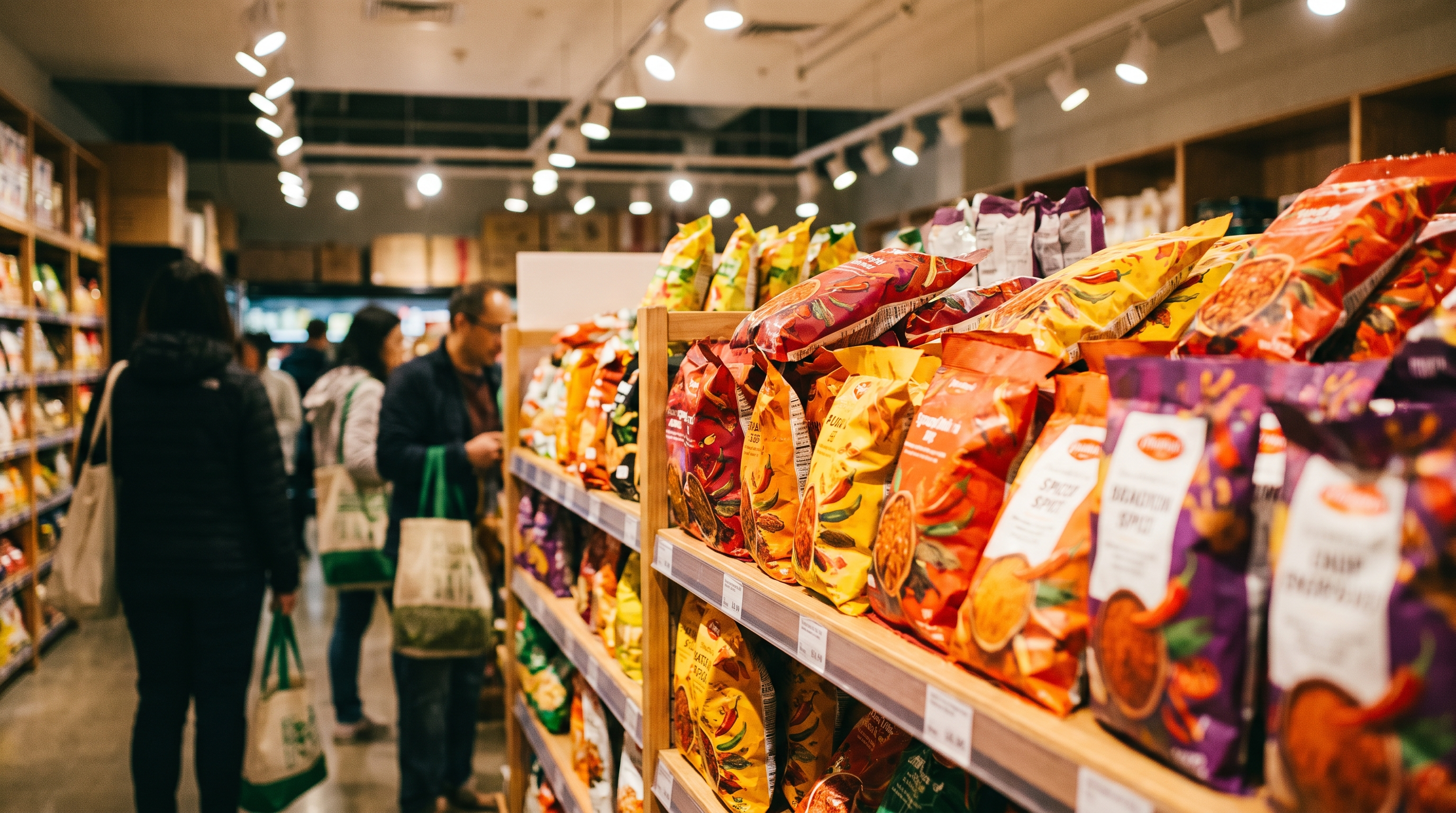
卫龙 / Weilong — China's largest producer of latiao (spicy wheat-gluten strips familiar to millions of Chinese since childhood as a cheap street snack) and a Hong Kong-listed company — earned RMB 117 million in overseas sales last year, up nearly 50% from the year before, according to trade media covering the brand's globalization. Latiao is now exported to more than 160 countries — a statistic that would have looked absurd a decade ago for a product perceived as a purely local phenomenon.
Social media as a free marketing channel
The key driver of overseas sales is the product's viral popularity on social media: TikTok and Instagram are filled with videos of foreigners trying spicy Chinese snacks on camera, and this organic content — not traditional advertising — has become the primary channel introducing Western audiences to the brand. Buyers from the US to Australia find latiao in specialty grocery stores, on marketplaces, and through direct orders, inspired specifically by these viral videos.
From viral product to systematic strategy
The company isn't relying on organic growth alone: it has allocated RMB 600 million in capital expenditure for a new production facility in Southeast Asia slated to launch in 2026, and export growth has already reached 38% year over year, driven largely by demand in North American ethnic grocery aisles. The strategic target is to raise overseas revenue's contribution to 12% by 2028, diversifying the company's currency exposure and reducing dependence on a saturated domestic market.
Why this is an interesting story for China-business watchers
Weilong's story shows a path different from classic export via distributor negotiations: the product first organically won overseas attention through social media, and only afterward did the company begin building formal production and logistics infrastructure to meet that demand. For small and mid-size Chinese food brands, it's a working model for reaching global markets on a limited marketing budget.
More on China's food export sector is covered in the tea, coffee and retail program; a full company catalog is available on the GlobalTechTour site.