Blog
BOE: The Screen Inside Nearly One in Four Devices Worldwide
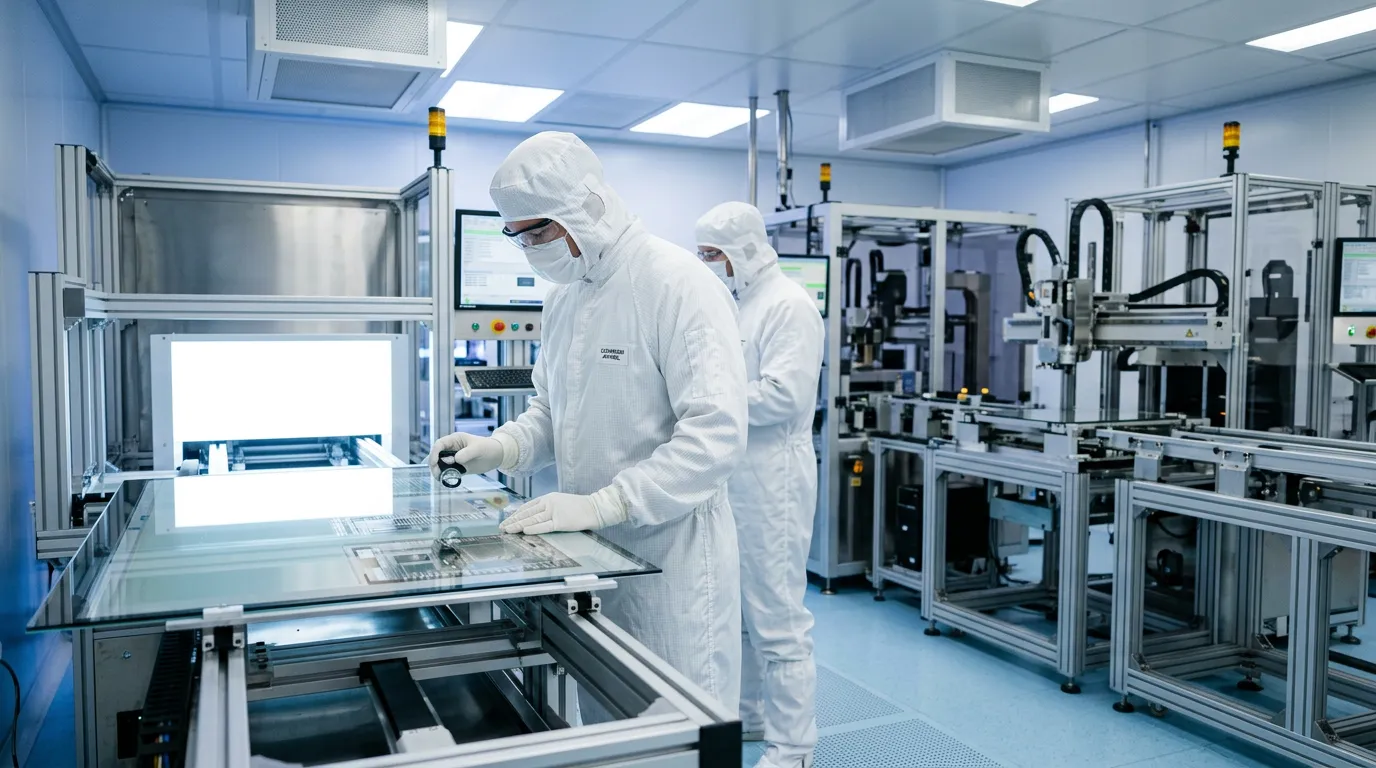
When people talk about Chinese electronics, they usually name finished-device brands — smartphones, TVs, laptops. But behind most of those devices, including products from the world's market leaders, sits the same component supplier: BOE Technology / 京东方. The company already holds the largest share of the global display market overall — roughly 25%, spanning LCD and OLED panels of every type and size, from smartphones to large-format television screens.
A seat in the OLED race
A separate and more competitive story is the OLED display market, traditionally dominated by South Korean manufacturers. In Q4 2025, BOE held around 15% of global OLED panel shipments, with a projected share of 14–15% for 2026. A combined figure is even more telling: in the first half of 2025, three Chinese manufacturers — BOE, CSOT and Visionox — together controlled more than half of global OLED revenue for smartphone and IT panels. That means the balance of power in a segment that was almost entirely Korean just a few years ago has shifted toward Chinese suppliers faster than expected.
Foldable screens as a separate front
BOE's progress is especially visible in the foldable OLED segment — this is where the company is pushing hardest against traditional market leaders, supplying flexible displays for foldable smartphones to several global brands at once. It's a strategically important segment: a display maker that masters foldable technology ahead of competitors locks in years-long contracts rather than one-off shipments.
Why it matters for electronics buyers
For companies sourcing components or finished electronics from China, BOE is a textbook example of what a genuinely end-to-end industrial chain looks like — from proprietary glass and semiconductor-layer production through to final panel assembly. It's a case where component cost savings come not from dumping but from controlling the entire technology chain within a single company. Getting a close look at this kind of vertically integrated manufacturing is part of the China Appliances Expedition, which examines the display and component suppliers behind finished products from major consumer-electronics brands.
The market at large
The global OLED display market is valued at roughly $64 billion in 2026, and its key players — Samsung Display, LG Display, BOE, Visionox and Universal Display — are shaping which screen technologies show up in devices over the next several years. BOE is the only company on that list that simultaneously leads in total display shipments across all types and is rapidly gaining share specifically in the premium OLED segment.
Why BOE is rarely named directly
The paradox of the component business is that success isn't measured by consumer brand recognition but by share of the specification sheet inside someone else's brand. A smartphone or TV buyer almost never sees BOE's name on the box — yet that specification-sheet market share determines the company's real weight in the global electronics industry. This model is typical of many Chinese industrial giants: manufacturing scale and technological expertise generate profit without the need to build and market a consumer-facing brand — the marketing risk and cost sits with the client purchasing panels wholesale.
Investment as a barrier to new entrants
Producing OLED panels requires multi-billion-dollar investment in fabs (so-called Generation 6-and-above plants) with a payback cycle measured in years — this creates a natural barrier to new entrants and explains why the list of serious global display manufacturers has stayed nearly unchanged for more than a decade. BOE built up this capacity gradually, reinvesting profit from less advanced LCD panels into OLED production over decades — a path that's hard to replicate without comparable scale and investor patience.
Sources
Market share figures are drawn from 2025–2026 industry coverage by Coherent Market Insights, Mordor Intelligence and Jictech.