Blog
The Canton Fair: A Practical Guide to China's Biggest Trade Show
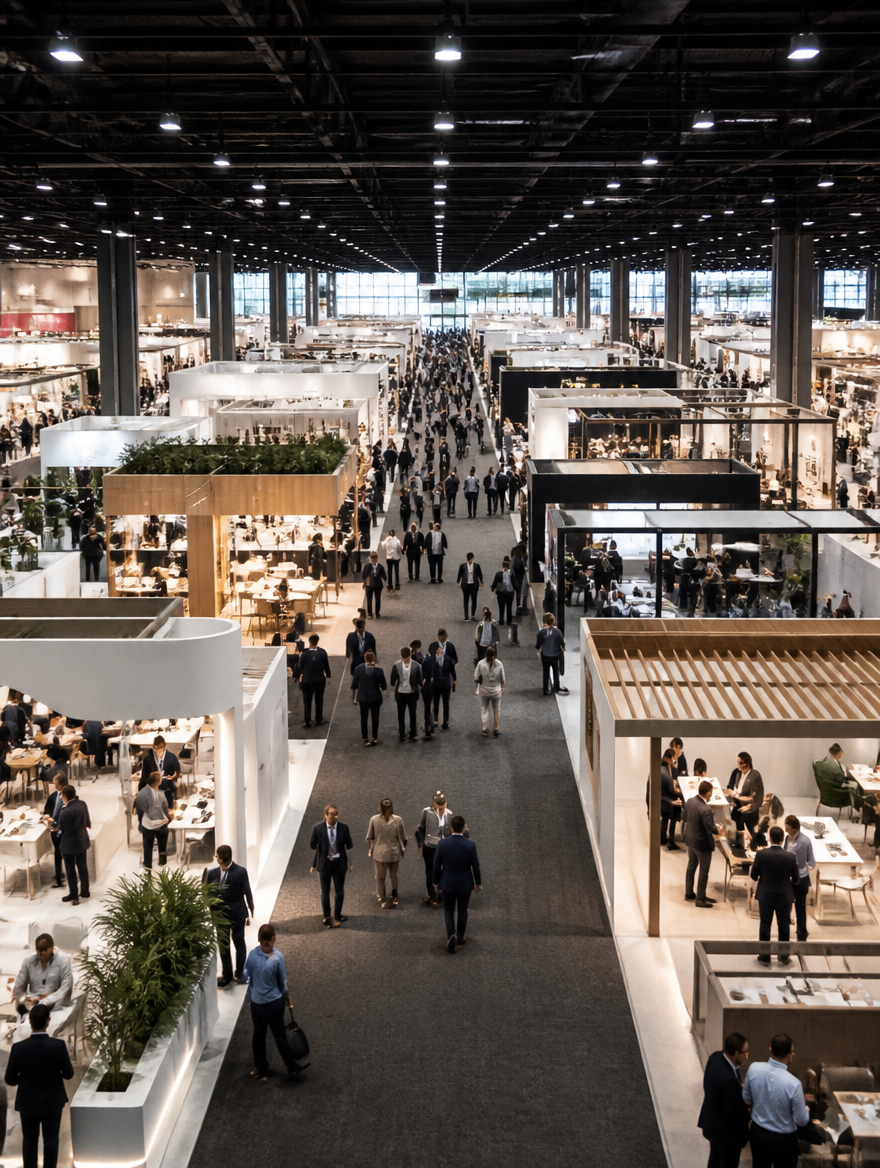
The first thing a newcomer feels at the 廣交會 / Canton Fair in Guangzhou isn't excitement — it's mild panic at the sheer scale. The Poly World Trade Center Expo complex sprawls across an area you couldn't walk end to end in a day even at a jog, and booth counts run into the tens of thousands. That's not marketing hyperbole — it's literally the largest trade fair in the world by floor space and participant count, held twice a year, spring and autumn.
The scale in numbers
The fair's 137th session in spring 2025 drew over 28,000 exhibitors and, according to organizer figures, more than 200,000 registered overseas buyers from over 210 countries and regions. The fair traditionally runs in three phases, each covering a different set of industries — from electronics and appliances to textiles, home goods, and packaging — making it impossible to sensibly cover all three phases without planning your route in advance.
Why you still can't just "drop by and look"
The classic first-visit mistake is treating the fair like a giant showroom you can wander through, stumbling on interesting things. At this scale, that's a guaranteed way to burn three days on a random handful of booths and leave without a single working contact. Experienced buyers arrive with a pre-built list of halls and booth numbers based on the fair's online catalog, and spend their time in Guangzhou negotiating, not wandering.
A second often-underrated point: the fair is no longer the only channel to reach these same factories — a large share of exhibitors are also present on Alibaba and industry-specific platforms. The value of an in-person visit today isn't "otherwise you can't reach the supplier," it's the chance to see a sample in person, gauge real production scale through a direct conversation with a company representative, and close on price faster than email back-and-forth that can drag on for weeks.
Getting the most out of the three phases
A practical approach that works: don't try to cover all three phases in one visit if your product category concentrates in one or two of them — instead set aside extra time to visit factories within an hour or two of Guangzhou (Dongguan, Foshan, Shenzhen) before or after the fair. Many serious deals actually get finalized not at the booth but at the factory itself, where a buyer gets invited for a second day of negotiation.
Also budget time for logistics inside the complex itself: distances between Zone A, B, and C halls run not in minutes but sometimes half an hour with an internal shuttle transfer — factor that into how many meetings you can realistically fit in a day.
The language barrier and negotiating culture
Even though many exhibitors staff their booth with English speakers, actual negotiations on price and terms often need a translator or local agent present, especially once quality-control nuances or payment terms come up. Experienced buyers who visit the fair regularly often hire the same freelance translator year after year — not to save money, but because someone familiar with the specific product category speeds up negotiations considerably and cuts the risk of miscommunication when specs get finalized.
Seasonality is worth planning around too: the spring session is traditionally more crowded than the autumn one, and hotel rooms in Guangzhou during fair week need booking months ahead — rooms within walking distance of the exhibition center are among the first to sell out.
The practical takeaway
The Canton Fair remains indispensable precisely because it lets you see representatives of thousands of factories from across China in one place over a few days — but the return on the trip is directly proportional to how carefully you prepared beforehand. Anyone attending for the first time, or wanting to combine it with visits to specific manufacturing clusters, should plan the route in advance as part of an organized trip rather than hoping the right contacts will surface on their own in a crowd of two hundred thousand buyers.