Blog
Singles Day 11.11: How the World's Biggest Shopping Festival Gets Built
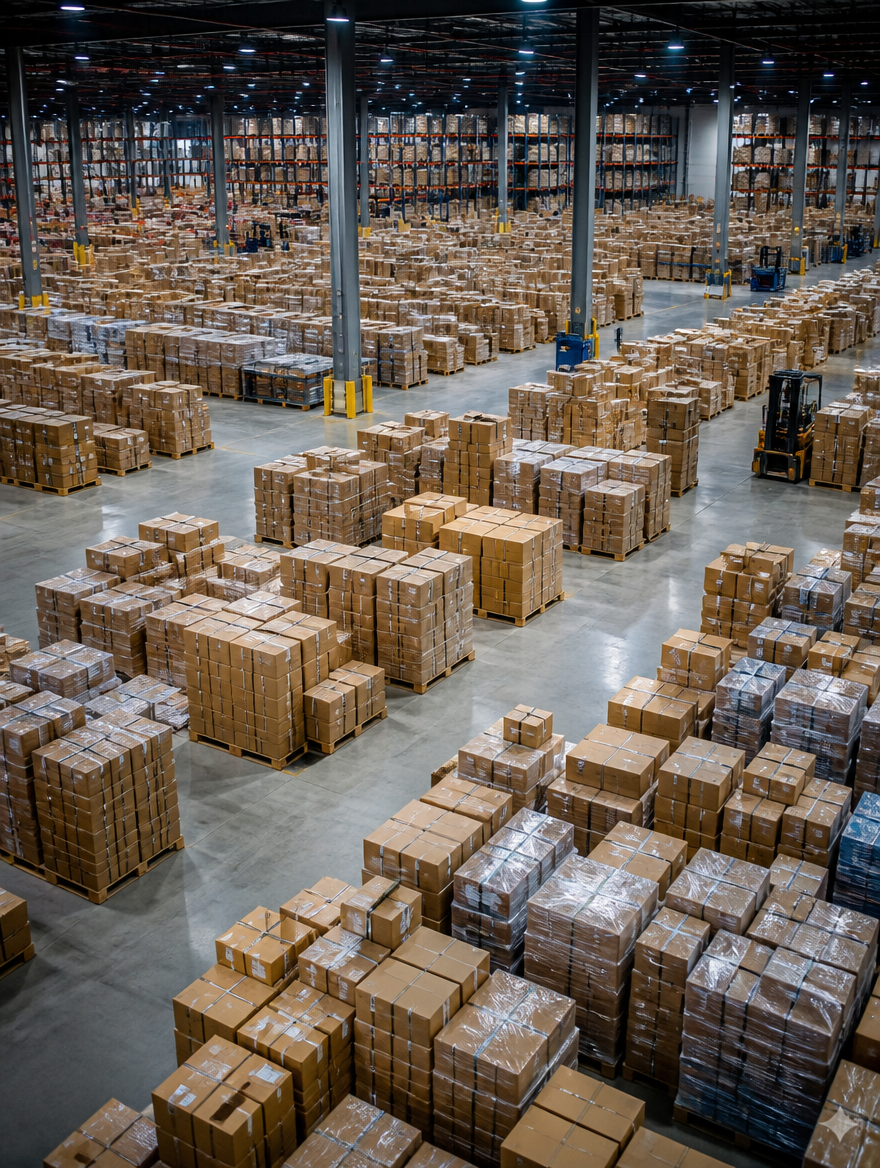
A month and a half before midnight on November 11th, warehouses run by 阿里巴巴 / Alibaba and 京东 / JD.com across the Yangtze River Delta are already operating in what logistics managers call "pre-season storm mode": containers get booked in advance, temporary staff are hired for peak shifts, and sellers face hard deadlines to load remaining stock into fulfillment warehouses. Singles Day stopped being a one-day event long ago — it's the result of months of operational prep that begins right after the previous cycle wraps up.
Why there are no more headline GMV numbers
A few years ago, the main headline coming out of November 11th was the total gross merchandise value (GMV) figure Alibaba proudly announced. Since 2022, the biggest platforms, including Tmall and JD.com, have stopped publishing exact GMV figures for the festival, sticking to phrasing like "a new record" without specifics. Worth stating plainly: any specific turnover figure for the latest 11.11 that circulates publicly should be treated with caution — there simply is no official precise number from the platforms anymore, and that's a deliberate corporate choice, not an oversight.
The reasons for the disclosure shift are widely debated: everything from a desire to lower regulatory attention on platform scale, to the fact that GMV as a metric has long been criticized for opaque methodology — pre-orders got counted in for years, returns weren't always deducted promptly, and year-over-year comparisons lost meaning as the festival's structure kept changing.
What actually changed in the format
The festival itself stopped being a single day on a single platform a while ago. The active sales window now stretches across several weeks, with pre-orders and deposits opening well before midnight on the 11th, and competition runs not just between Tmall and JD.com but against younger players like Pinduoduo and Douyin's e-commerce arm, which pull audience share through live-commerce — real-time livestream selling.
For international sellers and brands, including those entering the Chinese market via cross-border platforms, this means preparing for the festival isn't a one-off discount promo — it's a full operational cycle: assortment and pricing agreed months ahead, warehouse capacity booked with logistics partners, and planning for a sharp spike in customer support and returns processing right after the peak day.
Logistics as the real bottleneck
Logistics, not demand, remains the most-discussed bottleneck year after year: a warehouse network's ability to physically process peak order volume within 24-48 hours shapes the actual customer experience far more than the size of any discount. The major platforms' logistics arms — Cainiao at Alibaba, JD's own JD Logistics network — have invested for years specifically in sorting automation and expanding distribution center networks to narrow the gap between one day's peak demand and actual physical delivery in the days that follow.
Cross-border trade as a separate storyline
The festival's cross-border segment deserves its own mention: platforms like AliExpress and Tmall Global use 11.11 as an occasion to introduce foreign shoppers to Chinese brands, and to introduce foreign sellers to Chinese consumers through dedicated import-goods sections. For brands from the UAE, Southeast Asia, and elsewhere who see China as a sales market rather than just a sourcing one, participating in 11.11 through these sections is one of the few ways to get visibility against millions of local sellers without years of building a brand from scratch.
What this means for outside observers
Singles Day remains the best annual gauge of the state of China's consumer market and its export extension — not through an absolute number that's no longer published, but through indirect signals: which product categories are growing faster than others, how live-commerce platforms are performing, and how confidently brands are betting on new product lines timed to this date. Anyone who wants to see the logistics buildup behind the festival firsthand — from fulfillment centers to marketplace sellers at work — should add a visit to relevant warehouses and seller showrooms to a trip itinerary in the run-up to 11.11, when the preparation is most visible.